
Remembering Forgotten Songs!
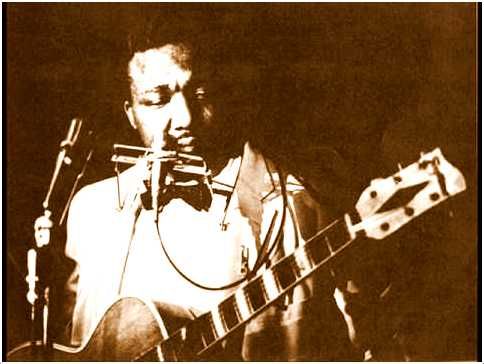
JB Lenoir - Feelin' Good
Here's a cool Lost songs: Feelin' Good by JB Lenoir. The song has a relaxed atmosphere that brings the listener in throughout the recording. Along with JB's guitar , a member of JB's family plays the spoons which enhances the song's stripped down sound.
I first heard Feelin' Good back in 1970 while I was in a record store and subsequently left the record store with a JB Lenoir album titled Vietnam Blues.
John Mayall, a British blues musician who served time in Korea, found his life changed when he came across the music of JB Lenoir. In an interview in The Guardian, Mayall stated that "JB Lenoir wrote about Korea, too, in fact. Songs that reflect these current situations – in his case, racial issues for the most part: in my case, what has happened to me, and I was in Korea.”
In 1949, JB Lenoir moved to Chicago, where Big Bill Broonzy helped introduce him to the blues community. He began to perform at local nightclubs, with musicians such as Memphis Minnie, Big Maceo Merriweather, and Muddy Waters, and became an important part of the city's blues scene. He began recording in 1951 for J.O.B. Records and Chess Records. His recording of Korea Blues was licensed to and released by Chess, as having been performed by J. B. and his Bayou Boys. During the 1950s Lenoir recorded for various record labels in the Chicago area, including J.O.B., Chess, Parrot, and Checker. His more successful songs included Let's Roll, The Mojo (featuring saxophonist J. T. Brown) and the controversial Eisenhower Blues, which Parrot Records forced him to re-record as Tax Paying Blues.
Lenoir was known in the 1950s for his showmanship, particularly his zebra-patterned costumes, and his high-pitched vocals. He became an influential electric guitarist and songwriter, and his penchant for social commentary distinguished him from many other bluesmen of the time.
His most commercially successful and enduring release was Mamma Talk to Your Daughter, recorded for Parrot in 1954, which reached number 11 on the Billboard R&B chart and was later recorded by many other blues and rock musicians.
In 1963, he recorded for USA Records as J. B. Lenoir and his African Hunch Rhythm, having developed an interest in African percussion.
He was rediscovered by Willie Dixon, who recorded him playing acoustic guitar, with the drummer Fred Below, on the albums Alabama Blues and Down in Mississippi (inspired by the Civil Rights Movement and Free Speech Movement). Lenoir's work had overtly political content relating to racism and the Korean and Vietnam wars.
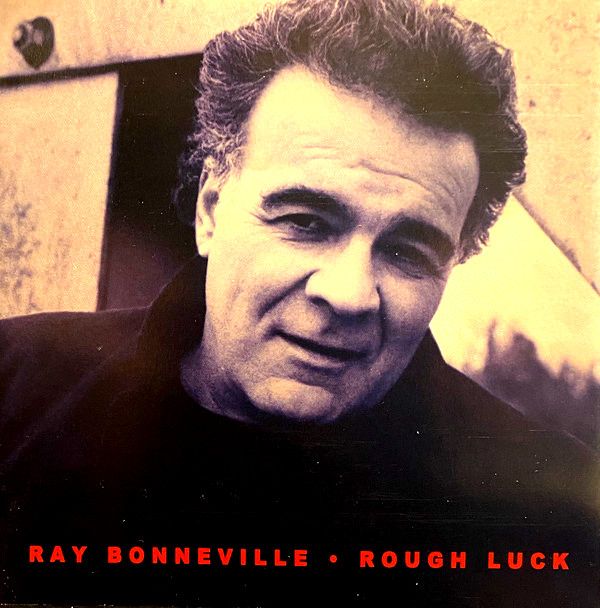

"Acclaimed raconteur Ray Bonneville strips his bluesy Americana down to its essentials and steeps it in the humid grooves of the South, creating a compelling poetry of hard living and deep feeling. His ninth release, At King Electric, delivers more than his trademark grit and groove. Songs such as The Next Card to Fall and Codeine gleam with intimate narratives of characters reaching for hope and wrestling with despair. Rich guitar and harmonica lines resonate over spare but spunky rhythms, while Bonneville’s deep, evocative voice confesses life’s harsh realities.
An article in the Montreal Gazette describes his sound as 'folk-roots gumbo… a languid Mississippi Delta groove, seasoned with smooth, weathered vocals and a propulsive harmonica wheeze.' Whether performing solo or fronting a band, playing electric or acoustic guitar, Bonneville allows space between notes that adds potency to every chord, lick, and lyric. Thom Jurek (Allmusic.com) remarks, 'With darkness and light fighting for dominance… he’s stripped away every musical excess to let the songs speak for themselves.'
Often called a song and groove man, Bonneville has lived the life of the itinerant artist. From his native Quebec, he moved to Boston at age twelve, where he learned English and picked up piano and guitar. Later, he served in Vietnam and earned a pilot’s license in Colorado before living in Alaska, Seattle, and Paris. Six years in New Orleans infused his musical sensibilities with the region's culture and rhythms. And then, a close call while piloting a seaplane proved pivotal: After two decades working as a studio musician, playing rowdy rooms with blues bands, and living hard, Bonneville’s lifetime of hard-won experience coalesced into an urge to write his own music. When not on the road, he resides in Austin, Texas." (Ray Bonneville website)
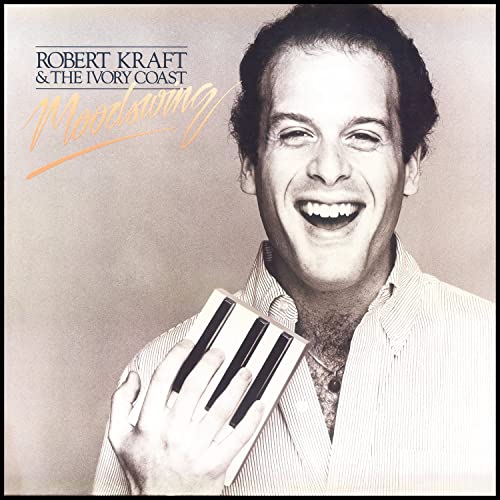
Robert Kraft & the Ivory Coast : Jump For Joy
Here's a cool jazz tune by Robert Kraft that appeared on his Moodswing album back in 1979. I remember he was quite popular in NYC back in the '70's. Kraft would go on to provide music for films such as The Mambo Kings (1992), The Little Mermaid (1989) and Moulin Rouge (2001).
Over the years, Robert Kraft has worked extensively in the recording industry, producing or co-producing such artists as Linda Ronstadt, Dr. John, Bette Midler, Celia Cruz, Tito Puente, Johnny Mathis, Bruce Willis, Jimmy Buffett, Don Henley, George Benson, Ozzy Osbourne, Southside Johnny, Albert Collins, Vonda Shepard, and Melissa Manchester. His songs have been recorded by The Manhattan Transfer, Bette Midler, Roberta Flack, Los Lobos, Diane Schuur, Bruce Willis, Joy Enriquez, Dr. John, and Kermit the Frog. As a solo artist and with his band, Robert Kraft and The Ivory Coast, he has released four albums on RCA, RSO, and Sonic Edge Records. Kraft went on to become the chief executive of Fox Music Inc. from 1994 until October 2012, supervising the scores and soundtracks for over 300 Fox Filmed Entertainment motion pictures. Robert Kraft has also been active developing a project called Jazz Ambassadors, the true story of a jazz band that toured the world during the Cold War and he is also developing a docu-series about the life of Ray Charles.
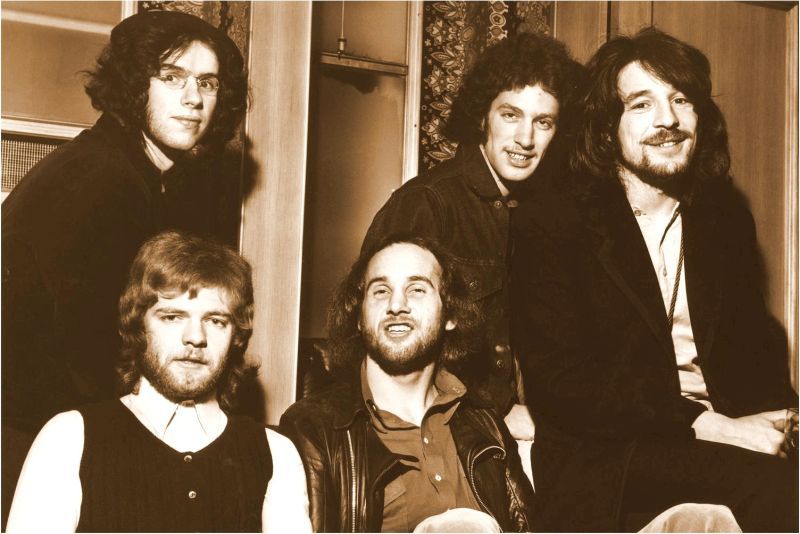
Family - Second Generation Woman
Second Generation Woman
(written by Ric Grech)
Smokes like a man getting higher than I can
She knows how
Ahead of her time but she don't give a damn
Why should she
She looks good to handle from a personal angle
Second generation woman
Last thing you gotta do is force her into lovin' you
No need to
Knows then her time is right
Comes to you without a fight
She wants to
She looks good to handle from a personal angle
Second generation woman
She's a woman that won't let you down
Just as long as she's around
You don't have to worry
She feeds you, loves you, lets you know she digs you
She's in a hurry
She looks good to handle from a personal angle
Second generation woman
Second generation woman
The English band Family emerged in the 1960s rock scene and soon became a household name, which won the hearts of fans and music critics alike. Family’s peculiar style rejects simplification with the group dabbling in many different music genres such as blues, progressive, hard, psychedelic, folk and jazz-rock. The band members managed to mix and match these styles by performing on musical instruments like piano, saxophone, and violin, which were unconventional choices for a rock band, but their usage and brilliant harmony with the more conventional guitar, bass, and drums made Family stand out.
Family ended up signing a record deal with the production company Reprise Records, which led to creating their second studio album Family Entertainment. The cover of the album was a takeoff from the sleeve of the Doors' second album, Strange Days. Family Entertainment quickly became a commercial and critical success. Their first single for Reprise was a lively tune called Second Generation Woman which was produced by none other than Dave Mason (who had just bailed out of Traffic at the time).
Family Entertainment was the last album featuring the group's original lineup. The band's momentum was almost derailed by the departure of bassist Ric Grech for Blind Faith two months after Family Entertainment's UK release, which caused their first US tour to fall apart in short order.
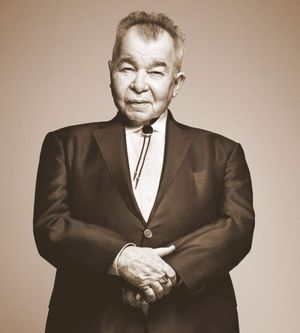
JOHN PRINE
JESUS THE MISSING YEARS
Here's a great song that was created by the one and only forgotten John Prine song called Jesus, The Missing Years.
The song speculates upon the unrecorded middle 18 years of Jesus Christ's life. The surreal piece features, among other things, Jesus traveling to France and Spain, marrying an Irish bride, inventing Santa Claus, and opening a show for country singer George Jones. Jesus, The Missing Years is filled with magical wit which carries the listener to another dimension.

STARTING IN JUNE:
COMPACT DISCS
BUMPER STICKERS
PICTURES OF ARTISTS
& MORE!