The Saga Of MC5
One day while I stopping by a newstand in NYC I picked up a copy of the Village Voice in1967…
"I had come to see the MC5. Three things intrigued me about the band. First, they were the only group to play Lincoln Park during the Democratic convention. For a group with no capital to set up it's equipment not to mention it takes a special kind of commitment bordering on joy. Yet the risk had been worthwhile…The MC5 are already already known in pop-critical circles.
The MC5 live in Ann Arbor, a college town thirty minutes out of Detroit. It's peaceful here; mostly I suspect, because the violence is regimented around the talking of exams. There are trees and sky that crisp Midwestern smell, like a girls cheek. If you have a tribe, Ann Arbor seems a far more reasonable place to stake out turf than hanging out at the Lower East Side. For one it's spacious and for another, there are plenty of townies to offer tea & sympathy to a local freak.
The MC5 and their people share a rambling twenty room house near the University of Michigan campus. The floors are clean, the stereo system is in good condition, and the dope facilities are excellent.
In the basement, their manager John Sinclair runs the commune known as Trans Love Energies, edits a local broadside called The Sun, and publishes local poets and the Panther Party organizes artists workshops. As a veteran beatnik and jazz freak, Sinclair has infused the enlightenment covers the MC5 like cheap polish. Just underneath the surface, you can feel the real grain and it's rough. Run your hands over the MC5 and suddenly you get splinters."

MC5 was an American rock band formed in Lincoln Park, Michigan, in 1963. The classic lineup consisted of vocalist Rob Tyner, guitarists Wayne Kramer and Fred "Sonic" Smith, bassist Michael Davis, and drummer Dennis Thompson. MC5 were listed by Parade as one of the best rock bands of all time[7] and by VH1 as one of the greatest hard rock artists of all time.[8] The band's first three albums are regarded by many as staples of rock music, and their 1969 song "Kick Out the Jams" is widely covered.
“Kick out the jams, motherfuckers!”
This rock & roll exhortation had become one of the best-known in rock and roll history, even if it appeared at the beginning of the debut album by a group which never rose about cult status in their lifetime.
MC5 were a band whose influence far outweighed their album sales, and who were loud and proud proponents of police reform, Black Lives Matter, and cannabis legalization decades before such issues became regular parts of the daily conversation.

The MC5 quickly became known as the musical mouthpieces after their debut record was released for a newly formed (and somewhat tongue-in-cheek) political unit, the White Panther Party.

At this time it became important to know that the MC5 were a band whose influence far outweighed their album sales, and the band was loud and proud proponents of police reform, Black Lives Matter, and cannabis legalization decades before such issues became regular parts of the daily conversation.
MC5's leftist political ties and anti-establishment lyrics and music positioned them as emerging pioneers of the punk movement in the United States. Their loud, energetic style of back-to-basics rock and roll included elements of garage rock, hard rock, blues rock, and psychedelic rock.

1963–1967: Formation and Early Years
The origins of MC5 can be traced to the friendship between guitarists Wayne Kramer and Fred Smith. Friends since their teen years, they were both fans of R&B music, blues, Chuck Berry, Dick Dale, The Ventures, and what was later called garage rock: they adored any music with speed, energy and a rebellious attitude. Each guitarist/singer formed and led a rock group (Smith's Vibratones and Kramer's Bounty Hunters). As members of both groups left for college or straight jobs, the most committed members eventually united (under Kramer's leadership and the "Bounty Hunters" name) with Billy Vargo on guitar and Leo LeDuc on drums (at this point Smith played bass).[15] They were popular and successful enough in and around Detroit that the musicians were able to quit their day jobs and make a living from the group.
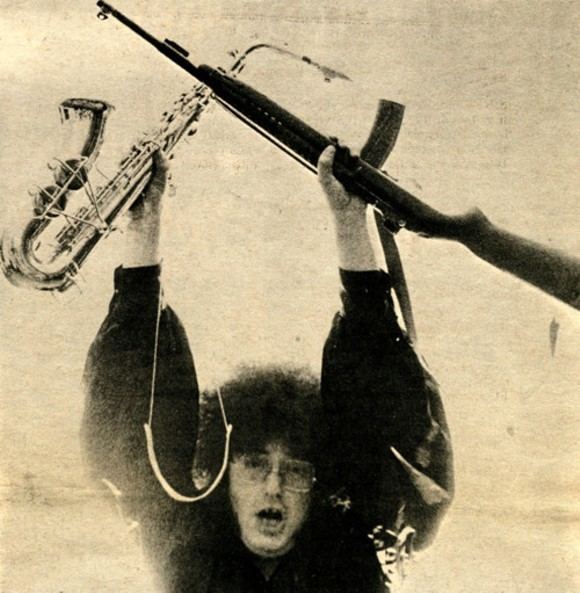
Rob Derminer aka Rob Tyner
Kramer felt that they needed a manager, which led him to Rob Derminer, a few years older than the others, and deeply involved in Detroit's hipster and left-wing political scenes. Derminer originally auditioned as a bass guitarist (a role which he held briefly in 1964, with Smith switching to guitar to replace Vargo and with Bob Gaspar replacing LeDuc). They quickly realized that Derminer's talents could be better used as a lead singer: Though not conventionally attractive and rather paunchy by traditional front-man standards, he nonetheless had a commanding stage presence, and a booming baritone voice that evidenced his abiding love of American soul and gospel music. Derminer renamed himself Rob Tyner (after John Coltrane's pianist McCoy Tyner). Instead of Derminer, their manager ended up being Ann Marston, a former national archery champion and beauty pageant winner.[16]
It should be noted the Rob Tyner also conceived their new name, MC5, short for "Motor City Five" based on their Detroit roots. In some ways the group was similar to other garage bands of the period, composing soon-to-be historic workouts such as "Black to Comm" during their mid-teens in the basement of the home of Kramer's mother. Upon Tyner's switch from bassist to vocalist, he was initially replaced by Patrick Burrows before the lineup stabilized in 1965 with the arrival of Michael Davis and Dennis Thompson to replace Burrows and Gaspar, respectively.
The music also reflected Smith and Kramer's increasing interest in free jazz—the guitarists were inspired by the likes of Albert Ayler, Archie Shepp, Sun Ra and late period John Coltrane, and tried to imitate the ecstatic sounds of the squealing, high-pitched saxophonists they adored. MC5 even later opened a few U.S. mid-west shows for Sun Ra, whose influence is obvious in "Starship". Kramer and Smith were also deeply inspired by Sonny Sharrock, one of the few electric guitarists working in free jazz, and they eventually developed a unique interlocking style that was like little heard before: Kramer's solos often used a heavy, irregular vibrato, while Smith's rhythms contained an uncommon explosive energy, including patterns that conveyed great excitement, as evidenced in "Black to Comm" and many other songs.
Playing almost nightly any place they could in and around Detroit, MC5 quickly earned a reputation for high-energy live performances and won a sizeable local following, regularly drawing sellout audiences of 1000 or more. Fans noted that compared the aftermath of an MC5 performance to the delirious exhaustion after "a street rumble or an orgy".
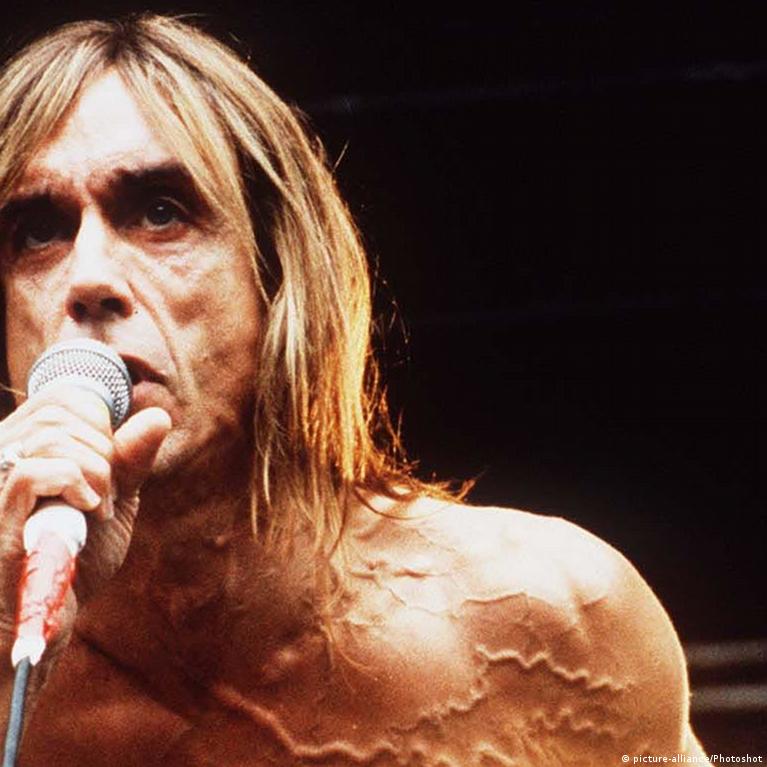
Iggy Pop
"When I first saw them, it was before they wrote songs, or it was before they met John Sinclair," recalled Iggy Pop. "They were just a really fuckin' good big city cover band, and they covered basically The Stones, Hendrix, The Who, all that shit, real well. And then they knew a little Ray Charles and shit. As they developed, I thought there was an overlay of jazz, but a lot of the music values were very hard rock. Not too bluesy."
1968–1969: Kick Out the Jams
In early 1968, the band's second single was released by Trans-Love Energies on A-Square records (though without the knowledge of that label's owner Jeep Holland). Housed in a striking picture sleeve, it comprised two original songs: "Borderline" and "Looking at You". The first pressing sold out in a few weeks, and by year's end it had gone through more pressings totaling several thousand copies. A third single that coupled "I Can Only Give You Everything" with the original "I Just Don't Know" appeared at about the same time on the AMG label, as well.
That summer MC5 toured the East Coast of the United States, which generated an enormous response, with the group often overshadowing the more famous acts they opened up for: McLeese writes that when opening for Big Brother and the Holding Company, audiences regularly demanded multiple encores of MC5, and at a memorable series of concerts, Cream—one of the leading hard rock groups of the era—"left the stage vanquished".[20] This same east coast tour led to MC5's association with the radical group Up Against the Wall Motherfucker.
MC5 became the leading band in a burgeoning hard rock scene, serving as mentors to fellow South-Eastern Michigan bands The Stooges and The Up, and major record labels expressed an interest in the group. As related in the notes for reissued editions of the Stooges' debut album, Danny Fields of Elektra Records came to Detroit to see MC5. At Kramer's recommendation, he went to see The Stooges. Fields was so impressed that he ended up offering contracts to both bands in September 1968. They were the first hard rock groups signed to Elektra Records.
According to Kramer, MC5 of this period was politically influenced by the Marxism of the Black Panther Party and Fred Hampton, and poets of the Beat Generation such as Allen Ginsberg and Ed Sanders, or Modernist poets like Charles Olson.[22] Black Panther Party founder Huey P. Newton prompted John Sinclair to found the White Panthers, a militant leftist organization of white people working to assist the Black Panthers. Shortly after, Sinclair was arrested for possession of marijuana.
Under the "guidance" of John Sinclair (who dubbed his enterprise "Trans-Love Energies" and refused to be categorized as a traditional manager), MC5 were soon involved in left-wing politics: Sinclair was active with the White Panther Party and Fifth Estate. In their early career, MC5 had a politically provocative stage show: They appeared onstage toting unloaded rifles, and at the climax of a performance, an unseen "sniper" would shoot Tyner. The band members were also all using the drugs LSD and marijuana.
The band performed as part of the protests against the Vietnam War at the 1968 Democratic National Convention in Chicago that were broken up by a police riot. The group's appearance at the convention is also notable for their lengthy performance. What was also notable was the fact that they were also the only musical band to perform during the 1968 DNC protests.
In an interview featured in the documentary Get Up, Stand Up, Kramer reported that while many musicians were scheduled to perform at a day-long concert, only the MC5 initially appeared. The MC5 played for over eight hours straight. Of the other scheduled performers, Kramer stated in Get Up, Stand Up that only Neil Young actually arrived, though due to the chaos at the convention, Young didn't perform. Dennis Thompson alleged years later that Country Joe McDonald (of Country Joe and the Fish) was also present at the scene. However, aside from members of MC5, the only other singer who was acknowledged to have performed at the convention protests was protest folk singer Phil Ochs. According to the Bethel Woods Center for the Arts, Bruce Barthol was the only member of Country Joe and the Fish who was willing to perform, with other members of the band fearing a potential riot.
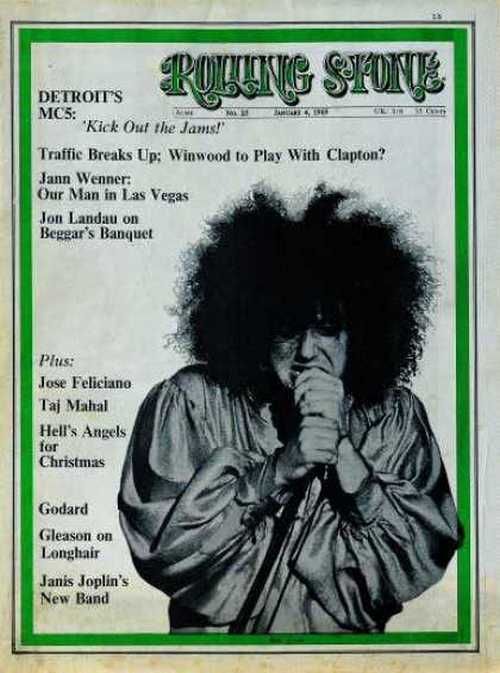
MC5 had a promising beginning that earned them a January 1969 cover appearance on Rolling Stone and a story written by Eric Ehrmann before their debut live album was released. The band earned national attention with their first album, Kick Out the Jams, recorded live on October 30 and 31, 1968, at Detroit's Grande Ballroom. Elektra executive Jac Holzman and producer Bruce Botnick recognized that MC5 were at their best when playing for a receptive audience. Containing such songs as the proto-punk classics "Kick Out the Jams" and "Rocket Reducer No. 62 (Rama Lama Fa Fa Fa)", the spaced-out "Starship" (co-credited to Sun Ra because the lyrics were partly cribbed from one of Ra's poems), and an extended cover of John Lee Hooker's "Motor City Is Burning" wherein Tyner praises the role of the Black Panthers during the Detroit riots of 1967. Critic Mark Deming writes that Kick out the Jams “is one of the most powerfully energetic live albums ever made ... this is an album that refuses to be played quietly.”

MC5 TOURS
June 30 1967 Ford Auditorium Detroit
Oct 13/Oct 15 1967 Grande Ballroom Detroit
Dec 22 1967 Grande Ballroom Detroit
Dec 23 1967 Grande Ballroom Detroit
Feb 23 1968 Masonic Temple Detroit
DEC 14 1968 Boston Tea Party Boston, MA
Dec 12 Dec 13 1968 Boston Tea Party Boston, MA
Dec 26 1968 Irving Plaza NYC
Nov 23 1968 Grande Cleveland Ohio
Aug 30 1968 Baldwin Pavilion Rochester Michigan
June 7 Grande Ballroom Detroit
May 4 1968 Grande Ballroom Detroit
April 28 1968 Grande Ballroom Detroit
April 7 1968 CNE Stadium Toronto Canada
Jan 24 1969 Grande Ballroom Detroit
Feb 28 1969 Clark Gym Univ Buffalo Detroit
March 02 1969 Grande Ballroom Detroit
March 7/March 8 1969 Eagle Ballroom Seattle
March 16 1969 Golden Gate Park San Francisco
March 28 1969 Swing Auditorium San Bernardino CA
March 31 1969 Fort Lauderdale Jacksonville FL
April 7 1969 Olympia Stadium Detroit

MC5 had a promising beginning that earned them a January 1969 cover appearance on Rolling Stone and a story written by Eric Ehrmann before their debut live album was released. They developed a reputation for energetic and polemical live performances, one of which was recorded as their 1969 debut album Kick Out the Jams recorded live on October 30th and 31st 1968 at Detroit's Grande Ballroom.

Elektra executive Jac Holzman and producer Bruce Botnick recognized that MC5 were at their best when playing for a receptive audience. Containing such songs as the proto-punk classics "Kick Out the Jams" and "Rocket Reducer No. 62 (Rama Lama Fa Fa Fa)", the spaced-out "Starship" (co-credited to Sun Ra because the lyrics were partly cribbed from one of Ra's poems), and an extended cover of John Lee Hooker's "Motor City Is Burning" wherein Tyner praises the role of the Black Panthers during the Detroit riots of 1967. Critic Mark Deming writes that Kick out the Jams “is one of the most powerfully energetic live albums ever made ... this is an album that refuses to be played quietly.”
The album caused some controversy due to Sinclair's inflammatory liner notes and the title track's rallying cry of "Kick out the jams, motherfuckers!" According to Kramer, the band recorded this as "Kick out the jams, brothers and sisters!" for the single released for radio play; Tyner claimed this was done without group consensus. The edited version also appeared in some LP copies, which also withdrew Sinclair's excitable comments.
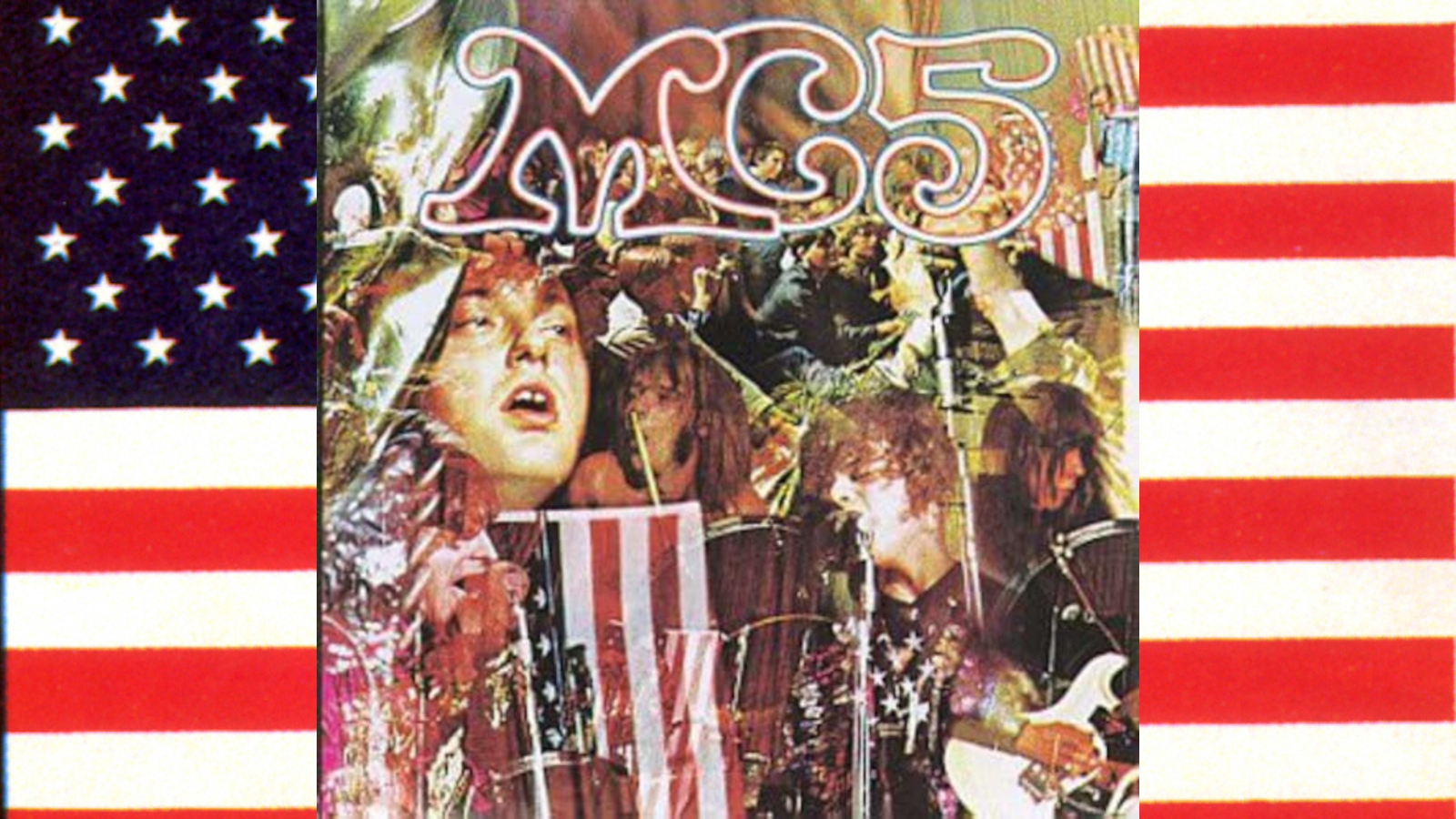
The album was released in January 1969; reviews were mixed, but the album was relatively successful, quickly selling over 100,000 copies and peaking at #30 on the Billboard album chart in May 1969 during a 23-week stay.
When Hudson's, a Detroit-based department store chain, refused to stock Kick Out the Jams due to the obscenity, MC5 responded with a full page advertisement in the local underground magazine Fifth Estate saying "Stick Alive with the MC5, and Fuck Hudson's!", prominently including the logo of MC5's label, Elektra Records, in the ad. Hudson's pulled all Elektra records from their stores, and in the ensuing controversy, Jac Holzman, the head of Elektra, dropped the band from their contract. MC5 then signed with Atlantic Records.

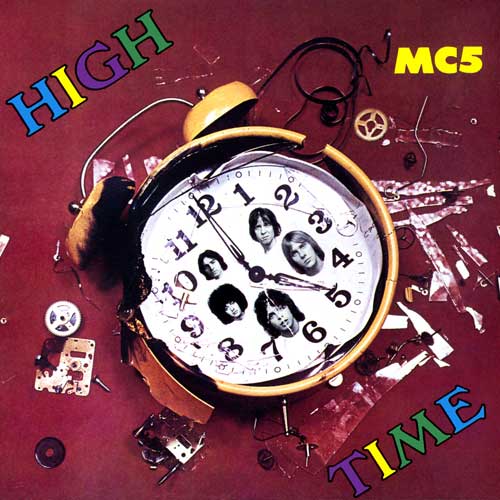
The band’s sound became more polished and tighter on two follow up albums, Back in the USA and High Time (the former produced by a then 21-year-old Jon Landau, rock journalist and future Bruce Springsteen symbiote). The band released the albums Back in the USA and High Time before disbanding in 1972. Yet again, blown opportunities—both the band’s fault and not—internal tensions, shifting allegiances, a messy split with Sinclair, and heavy drugs doomed a group perhaps never meant to have a long lifespan in the first place.
Vocalist Rob Tyner died of a heart attack in late 1991 at the age of 46…
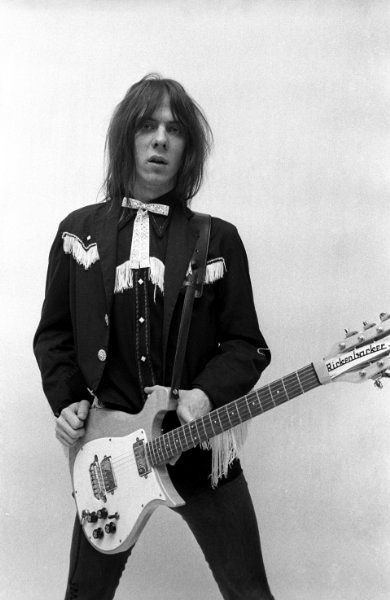
…and Fred Smith also died of a heart attack, in 1994 at the age of 46…
The remaining three members of the band reformed in 2003 with the Dictators' singer Handsome Dick Manitoba as its new vocalist, and this reformed lineup occasionally performed live over the next nine years until the bassist Michael Davis died of liver failure in 2012 at the age of 68.

In 2022, Wayne Kramer announced that a tour under the banner of We Are All MC5 would take place that spring, and that a new MC5 studio album with producer Bob Ezrin would also be released later that year with original MC5 drummer Dennis Thompson playing on two tracks. In 2023, Kramer announced that the album would be released in the spring of 2024.
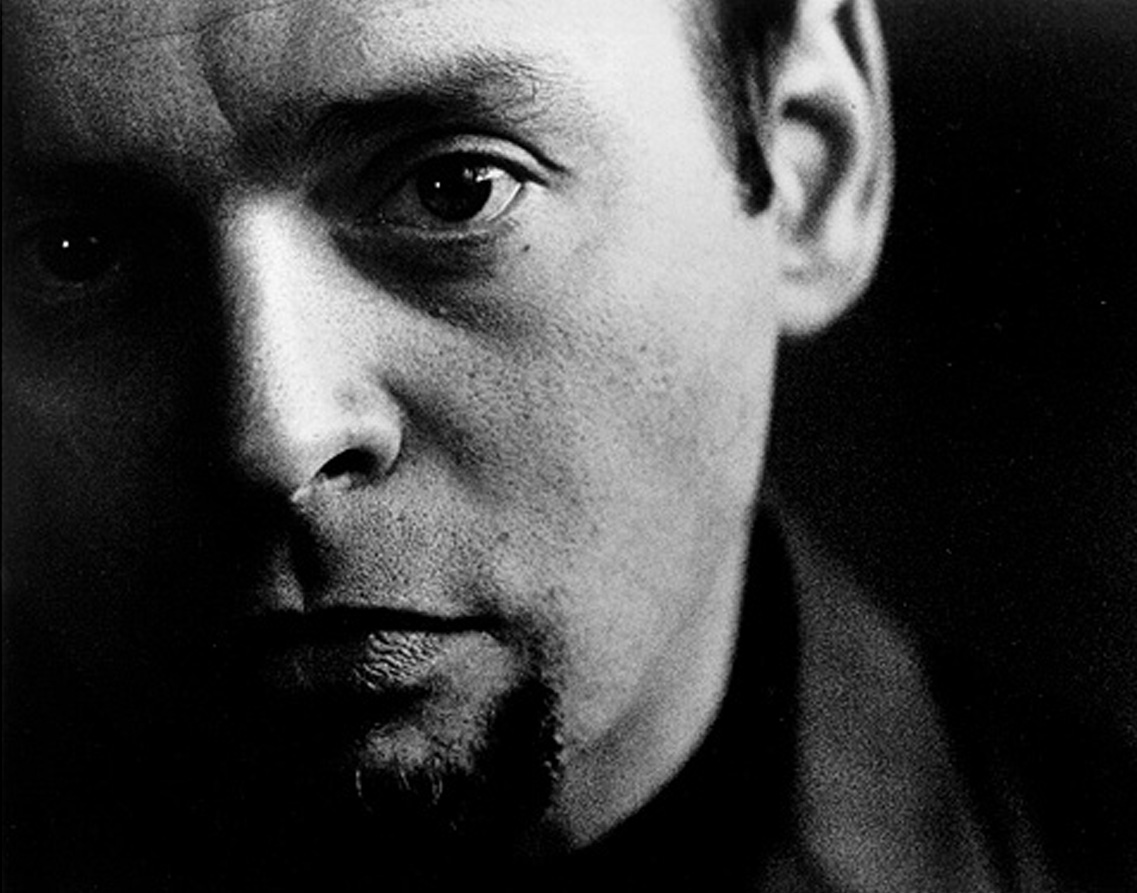
Wayne Kramer
Sadly, Kramer died February 2, 2024, leaving Thompson as the only surviving original member of the band. In 2024, the MC5 were inducted into the Rock and Roll Hall of Fame in the musical excellence category.
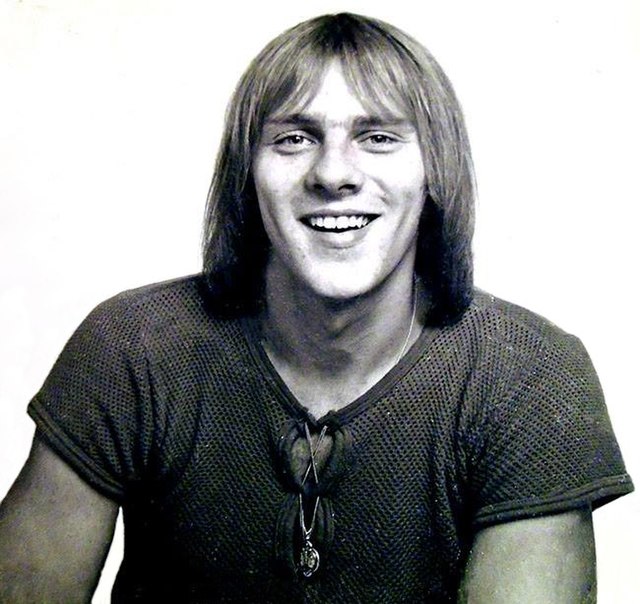
Dennis Thompson
On May 8, 2024, Thompson died at the age of 75. Heavy Lifting, the final album, was released on October 18, 2024.