BLOODLINES:
THE VELVET UNDERGROUND
The Velvet Underground were an American rock band formed in New York City in 1964. Its classic lineup consisted of singer and guitarist Lou Reed, Welsh multi-instrumentalist John Cale, guitarist Sterling Morrison, and percussionist Moe Tucker. Though their integration of rock and the avant-garde earned them little commercial success during their initial nine-year run, they are now widely regarded as one of the most influential bands in rock music, as well as underground, experimental, and alternative music. Their provocative subject matter and experimentation were instrumental in the development of punk rock, new wave and other genres.

Velvet Underground
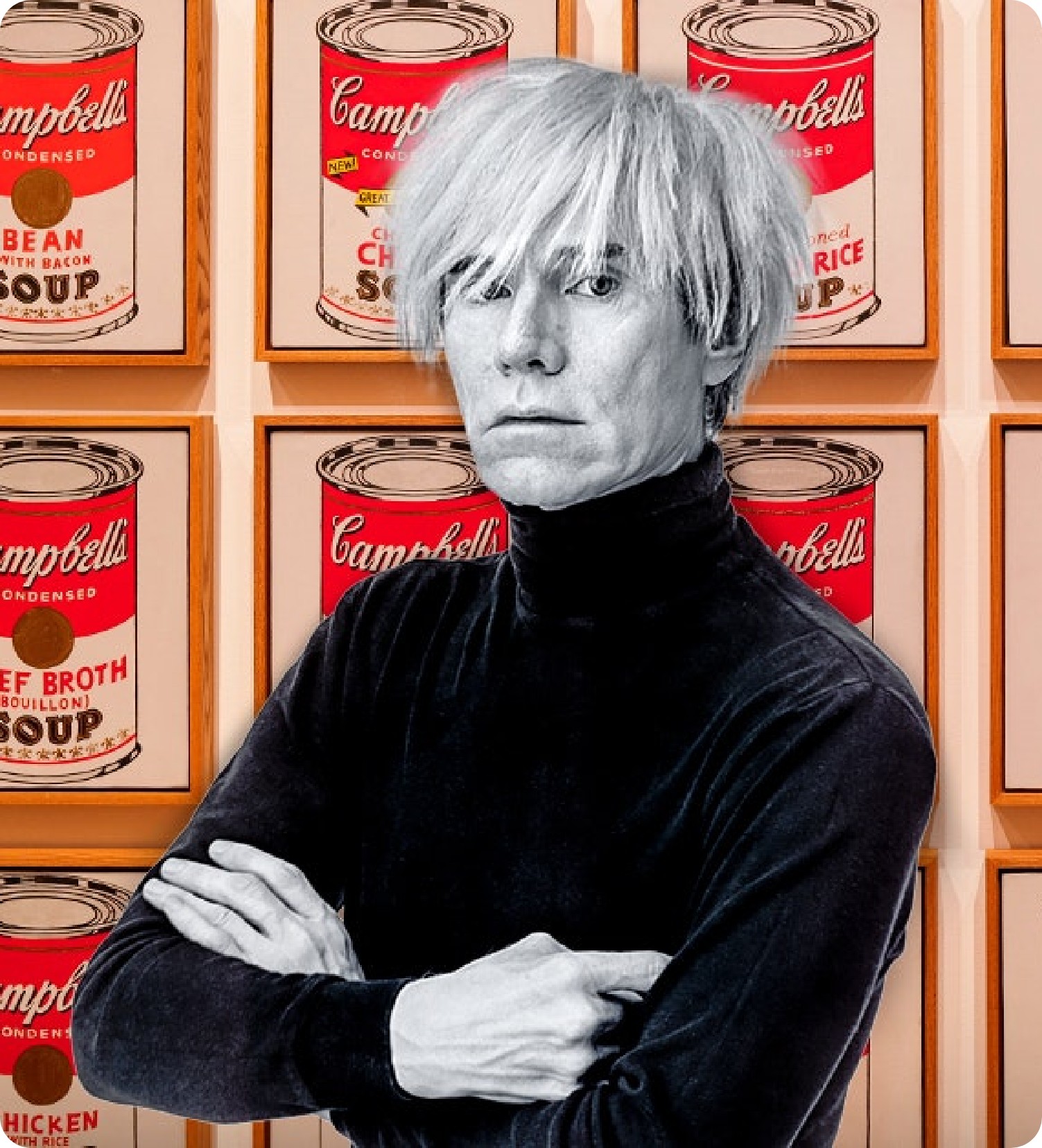
Andy Warhol
Emerging from the pop-art circus created in the early sixties by Andy Warhol was a rock & roll band that would prove to be a forerunner of the punk musical tyle of the late 1970's and early 1980's, the Velvet Underground. Though only in existence for five years (1965-1970), the Velvet Underground suddenly developed a substantial “cult” following and like many bands who are never recognized in their lifespan, they left their mark on rock music in a unique way.
The group performed under several names before settling on the Velvet Underground in 1965, taken from the title of a 1963 book on atypical sexual behavior. In 1966, the experimental pop artist Andy Warhol became their official manager. They served as the house band at Warhol's studio, The Factory, and his traveling multimedia show, the Exploding Plastic Inevitable, from 1966 to 1967.
Their debut album, The Velvet Underground & Nico, featuring the German singer and model Nico, was released in 1967 to critical indifference and poor sales, although it has been later regarded as one of the greatest albums in music history.
The band consisted of the street-wise songwriting talents of rhythm guitarist/singer Lou Reed (a native of Freeport, Long Island), Maureen Tucker on drums (one of the first women to play such a prominent role in a rock band), John Cale on viola and keyboards, bass guitarist Sterling Morrison, and the monotone vocals of the beautiful and mysterious Nico.
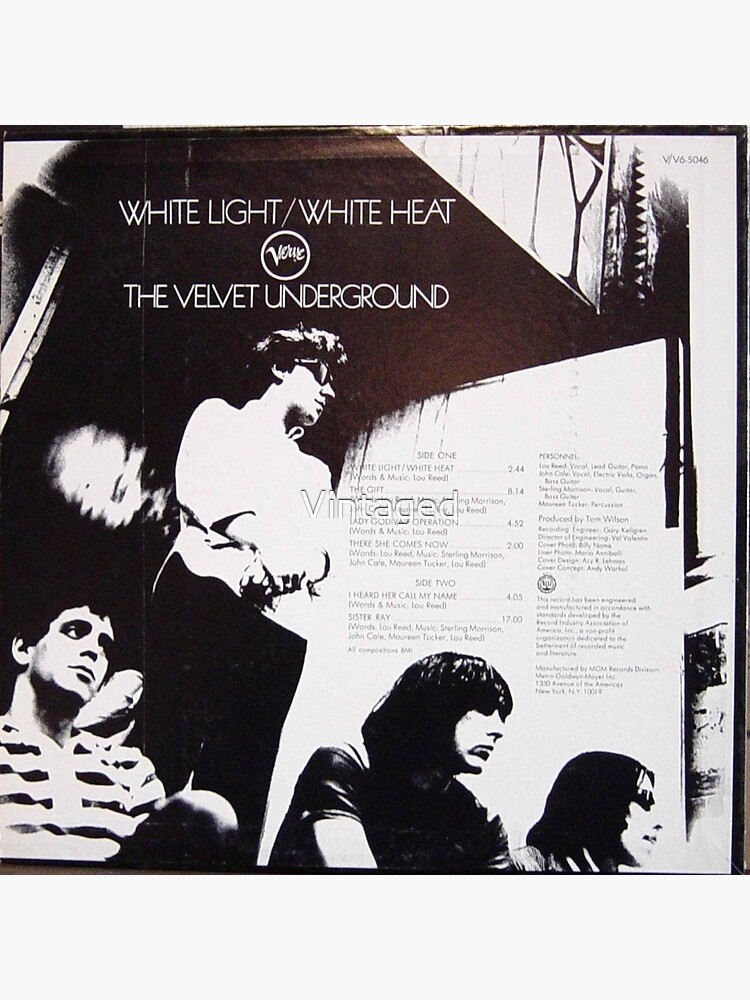
The band released their second album, the abrasive White Light/White Heat, in 1968, after which Cale was replaced with Doug Yule. Then they released two more accessible albums, The Velvet Underground (1969) and Loaded (1970), but neither performed to the expectations of record labels or de facto group leader Reed. White Light/White Heat was recorded quickly and modeled after the band's live sound and techniques of improvisation, since they often played loud with new equipment from an endorsement deal with Vox. However, the final product was compressed and distorted—most members were dissatisfied with the final product and it was followed with the less experimental The Velvet Underground the following year; Cale would leave the band later in 1968. The distortion level became a prototype for punk rock, shoegaze[2] and noise rock. The 17-minute "Sister Ray" is widely considered the standout track by critics and fans.
White Light/White Heat sold fewer copies than The Velvet Underground & Nico, and peaked at 199 on the Billboard Top LPs chart. The album's only single, "White Light/White Heat", failed to chart, which the band blamed on airplay bans and lack of promotion from Verve. The album was dismissed by many contemporary mainstream music critics, although underground newspapers took notice.
The Loaded album contained such instant classics as Sweet Jane and Rock and Roll; songs which would later influence the likes of David Bowie, Mott the Hoople and Iggy Pop.

By 1969, after recording their finest studio effort ever (Loaded), the band slowly collapsed due to lack of recognition, playing the same clubs (mainly Max's Kansas City), and personality conflicts.

Doug Yule
In the early 1970s, all members but Doug Yule left the band for various reasons. A final album was released under the Velvet Underground name in 1973, Squeeze, recorded mostly by Yule with session musicians in London. The Velvet Underground dissolved shortly after.

The former band members collaborated on each other's solo work throughout the 1970s and 1980s, and an album of long lost recordings of original songs, VU, was released in 1985. Reed, Cale, Tucker and Morrison reunited for a series of well-received shows in 1993, and released a live album from the tour, Live MCMXCIII, later that year.
After Morrison's death in 1995, the remaining members played a final performance at their Rock and Roll Hall of Fame induction in 1996. Lou Reed died in 2013.

In 2004, the Velvet Underground were ranked number 19 on Rolling Stone's list of the "100 Greatest Artists of All Time". The New York Times wrote that the Velvet Underground was "arguably the most influential American rock band of our time"