
REMEMBERING NICKY HOPKINS
Nicky Hopkins (24 February 1944 – 6 September 1994) was an English pianist and organist. He performed on many popular and enduring British and American rock music recordings from the 1960s to the 1990s, most notably on songs recorded by the Rolling Stones, the Kinks, the Who, the Beatles, the Steve Miller Band, Jefferson Airplane, Rod Stewart, George Harrison, John Lennon, Paul McCartney, Ringo Starr, The Hollies, Cat Stevens, Carly Simon, Harry Nilsson, Joe Walsh, Peter Frampton, Jerry Garcia, Jeff Beck, Joe Cocker, Art Garfunkel, Badfinger, Graham Parker, Gary Moore, Quicksilver Messenger Service and Donovan.

Nicky Hopkins is widely considered to be one of the greatest studio pianists in the history of popular rock music.
Sadly, Nicky suffered from Crohn's disease for most of his life. His poor health and repeated surgery later made it difficult for him to tour, and he worked mainly as a session musician for most of his career.
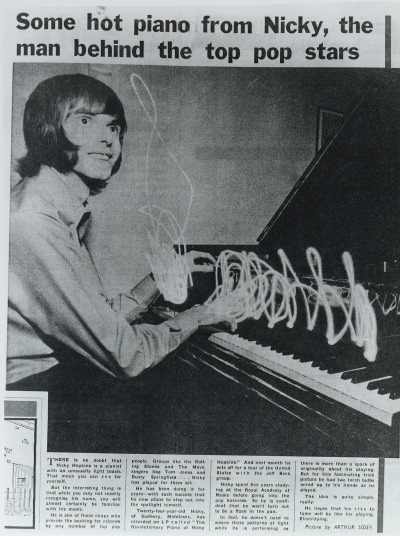
Hopkins was but a teenager when he began working as a professional musician in 1960, after joining Screaming Lord Sutch and the Savages, however a gig would soon lead him to a role in English blues harpist Cyril Davies’ R&B All-Stars.

Cyril Davies R&B All-Stars
While many of the forthcoming British Invasion bands were still figuring out what they were doing, Davies and the All-Stars were performing and recording high-energy rhythm & blues like “Country Line Special” a 1963 single that featured the young Hopkins’ locomotive piano. Hopkins played piano on their first single, Davies's much-admired theme tune Country Line Special
In May 1963, Nicky was forced to leave the All Stars for a series of operations that almost cost him his life and he was bed-ridden for 19 months in his late teenage years.
Hopkins's frail health led him to concentrate on working as a session musician instead of joining bands, although he left his mark performing with a wide variety of famous bands. Nicky quickly became one of London's most in-demand session pianists and performed on many hit recordings from this period.
MY LONG ASSOCIATION WITH NICKY HOPKINS
By SHEL TALMY

“I’ll start by saying that Nicky Hopkins was the all-time best session piano player ever, during the “swinging 60s” and beyond, and he has the legacy to prove it!
It was while I was producing The Kinks, and on the You Really Got Me session in particular, that one of the great session drummers, Bobby Graham-- who was doing his own significant thing for me that day-- told me about Nicky Hopkins, who he described as a one-off special player that I really should meet.
Coming from Bobby Graham, this was praise indeed, and I wasted no time in getting in touch with Nicky after we wrapped that day.
We met and realized immediately we were on the same musical page, and developed a friendship that lasted as long as Nicky did. I’ll add that he was one of the nicest people I’ve ever met.
Unfortunately, Nicky endured ill-health throughout his life, and suffered from Crohn’s disease, for which he had several operations, and at one time was laid up for 19 months recovering. As a result, he was painfully thin.
I used him on the very next set of Kinks sessions I was producing, and from then on, I booked Nicky on everything I could!
Starting with The Kinks, he played on four of their studio LP’s: “The Kink Kontroversy” (1965), “Face to Face” (1966), “Something Else by The Kinks” (1967) and “The Kinks Are the Village Green Preservation Society” (1968).
In addition, he played on many of their singles-only tracks like Dedicated Follower of Fashion
Nicky also played on almost all the tracks I produced by The Who, including the “My Generation” LP.
Nicky Hopkins is also on the ‘Friday On My Mind’ single and “Good Friday” album I did with The Easybeats.
I used Nicky on all The Creation’s recordings, from ‘Biff Bang Pow’ onwards.
He can be heard on the majority of other sessions I did between late 1964 and 1968, including records by Goldie & the Gingerbreads, The Thoughts, Wayne Gibson, Roy Harper, The Lancastrians, Kenny Miller, Oliver Norman, The Rising Sons, Perpetual Langley, and countless others.
And let’s not forget my production of David Bowie and his band, The Lower Third.
Nicky had a knack of playing exactly the right thing at exactly the right time, which could be full-on piano with the band, or just a couple of notes.
It was a no-brainer to conclude he needed to do his own thing, and I signed Nicky as an artist in his own right.
Together with David Whitaker, the great arranger and one of my favorites, we recorded an album of instrumentals at Pye Studios in late 1966, with Bob Auger as the engineer.
We did it for CBS UK, and I want to interject that I talked to Nicky extensively about what kind of LP we wanted to create.
Already well-known for playing blues and rock, Nicky wanted to demonstrate he was just as comfortable in other genres.

So we chose to do an album with full orchestra, showing how competent Nicky was with instrumental selections as disparate as classical, contemporary, jazz and even boogie-woogie, on the title called The Ilejistry Pig. He delivered on every take!
The album came out on CBS as “The Revolutionary Piano of Nicky Hopkins” and is now a sought-after collector’s item.
I also did a single with Nicky on Polydor in 1967, a version of the Kinks’ Mister Pleasant.
By the late 60s, every hit band circling the globe knew how valuable an addition he was to a session, and he wound up playing for most of them, including The Rolling Stones and The Beatles.
He moved to northern California at the end of the 1960s and became a major fixture of the music scene in San Francisco, and from where Nicky was flown to play on other sessions.
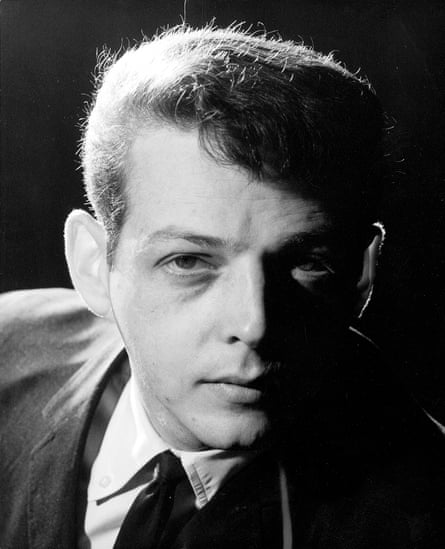
Shel Talmy
Shel Talmy's ill-health finally caught up with him, and very sadly, Nicky passed away on September 6, 1994, in Nashville, at the way-too-young age of 50.”

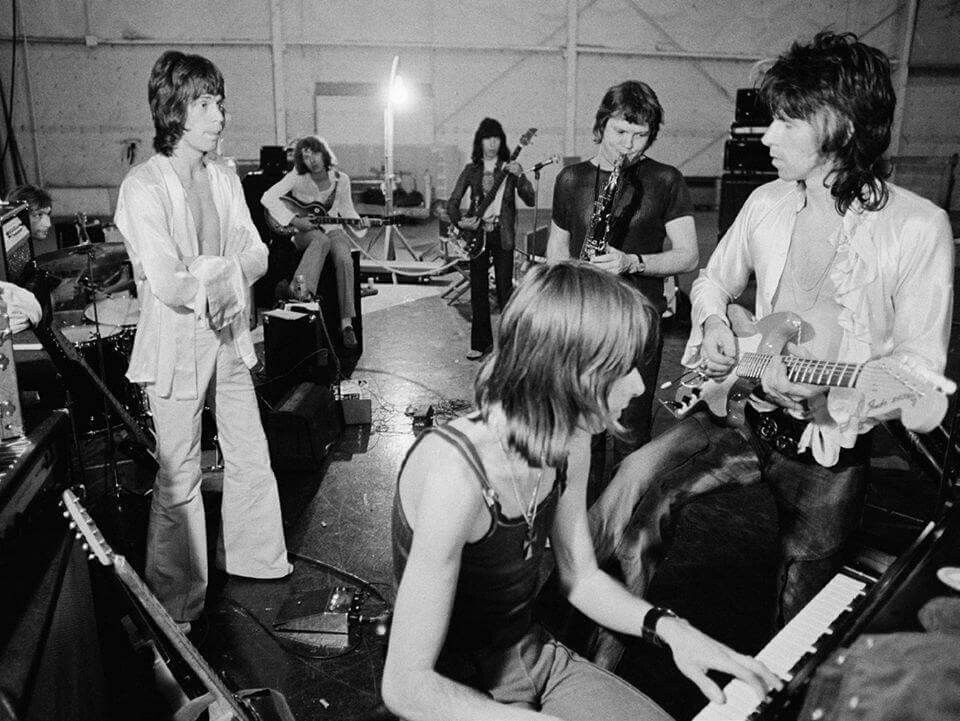
The Rolling Stones had their eye on Nicky. In short order Nicky played with the Rolling Stones on all their studio albums from Their Satanic Majesties Request in 1967 through until Tattoo You in 1981, except for Some Girls (1978). Hopkins first session with a member of the Rolling Stones was on the A Degree of Murder soundtrack, with Brian Jones, in February 1967.
Hopkins' first sessions with the Rolling Stones as a band were also in 1967, from May 17 to 22, where he contributed prominent piano parts on "We Love You" and "She's a Rainbow". Hopkins added further significant piano parts to "Sympathy for the Devil", "No Expectations", and "Salt of the Earth" (1968), "Gimme Shelter" and "Monkey Man" (1969), "Sway" (1971), "Loving Cup" and "Ventilator Blues" (1972), "Coming Down Again", "Angie", and "Winter" (1973), "Time Waits for No One" (1974), "Fool to Cry" (1976), and "Waiting on a Friend" (recorded 1972, released in 1981).
While working with the Stones during their critical and commercial zenith in the late 1960s and early 1970s, Hopkins tended to be employed on a wide range of songs, including ballads, up-tempo rockers and acoustic material; conversely, longtime de facto Stones keyboardist Ian Stewart only played on traditional major key blues rock numbers of his choice, while Billy Preston often featured on soul- and funk-influenced tunes. Hopkins's work with the Rolling Stones is perhaps most prominent on their 1972 studio album, Exile on Main St., where he contributed a variety of musical styles, often playing the main melodic part. Hopkins plays on 14 of the album's 18 tracks, giving him a greater presence.

Along with Ry Cooder, Mick Jagger, Bill Wyman and Charlie Watts, Hopkins released the 1972 album Jamming with Edward! It was recorded in 1969, during the Stones' Let It Bleed sessions, when guitarist Keith Richards was not present in the studio. The eponymous "Edward" was an alias of Nicky Hopkins derived from studio banter with Brian Jones. It was also incorporated into the title of Hopkins's instrumental song Edward (the Mad Shirt Grinder), recorded with Quicksilver Messenger Service and released on Shady Grove in December 1969. Hopkins also contributed to the Jamming With Edward! cover art.

Nicky Hopkins was added to the Rolling Stones touring line-up for the 1971 Good-Bye Britain Tour, as well as the 1972 North American tour and the 1973 Pacific tour.
Rolling Stones

The Beatles
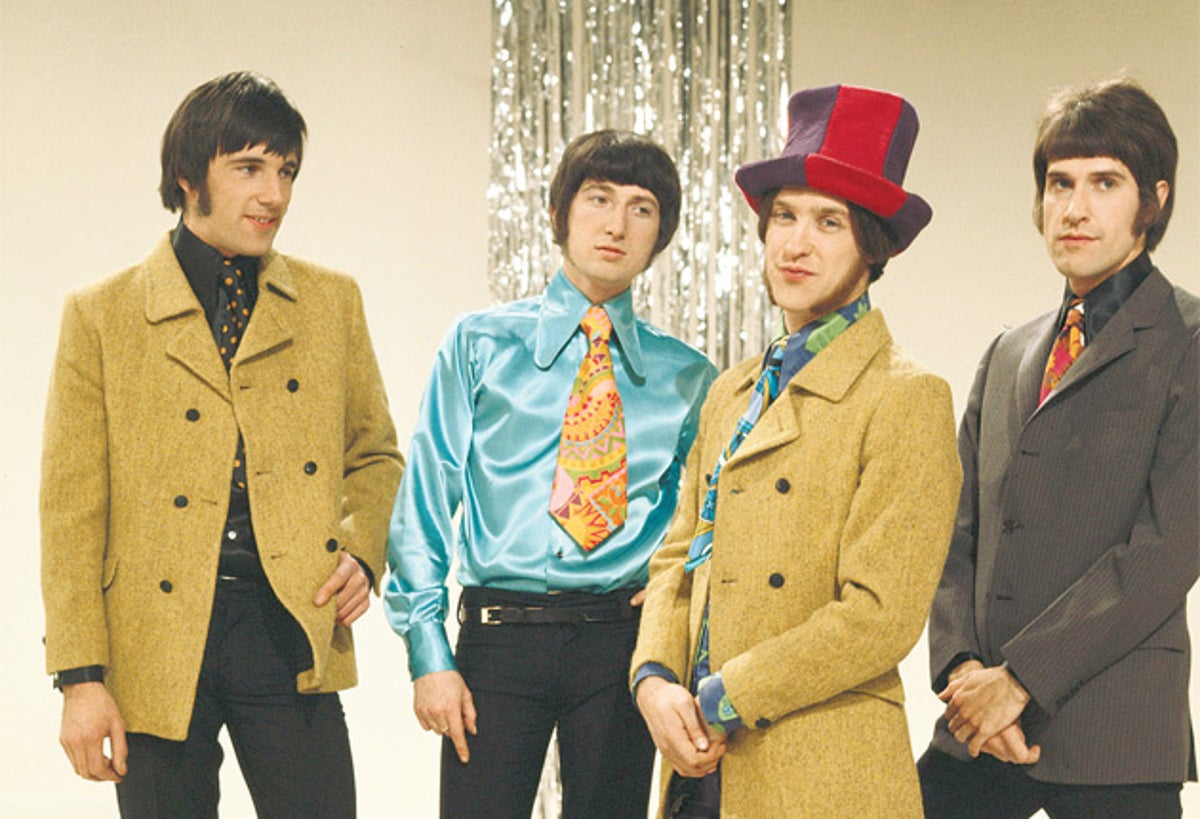
The Kinks
What do The Rolling Stones, The Beatles, and The Kinks all have in common? Apart from being three of the biggest bands of the 1960s, they were also all touched by the talents of an oft-overlooked session musician named Nicky Hopkins.
Hopkins can be heard on such legendary tracks as Gimme Shelter, by The Rolling Stones, Revolution by The Beatles, and the album, The Kinks Are the Village Green Preservation Society. And yet, the mention of Hopkin’s name is likely to be met with bewilderment.
Hopkins performed on four of The Kinks albums, including The Kink Kontroversy (1965), Face to Face (1966), Something Else by The Kinks (1967) and The Kinks Are the Village Green Preservation Society (1968). Hopkins became such a key part of The Kinks’ existence, that Ray Davies even wrote a song inspired by him. Session Man from Face to Face paints a portrait of Hopkins: the pianist who’s “not paid to think, just play”. The track opens with an extravagant flourish of a harpsichord played by Hopkins himself.
Ray Davies would later say of Hopkins: “His best work in his short spell with The Kinks was on the album Face to Face. I had written a song called Session Man, inspired partly by Nicky. Shel Talmy asked Nicky to throw in ‘something classy’ at the beginning of the track. Nicky responded by playing a classical-style harpsichord part. When we recorded Sunny Afternoon, Shel insisted that Nicky copy my plodding piano style. Other musicians would have been insulted but Nicky seemed to get inside my style, and he played exactly as I would have. No ego. Perhaps that was his secret.”
At the time it was written, Davies and Hopkins were perfectly cordial with each other. But after the release of The Village Green Preservation Society, Hopkins was incensed by The Kinks front-man Ray Davies by maintaining that “about seventy per cent” of the keyboard work on the album was his. Nicky Hopkins, however, had already credited himself.
The 5 Best Nicky Hopkins Performances:
*Monkey Man – The Rolling Stones
Somehow, an artist as refined and technically brilliant as Hopkins managed to gel most cohesively with the world’s most dangerous rock band. Especially during the Let It Bleed, The Rolling Stones were unafraid to get filthy, crunching in the muck that made them so dangerous in the first place. But strangely, on one of the band’s grosser songs, Hopkins puts forth one of his loveliest piano lines.
The intro runs from Hopkins on ‘Monkey Man’ are refined and stately, and when the rest of the band gets deep into the funk, Hopkins remains above the noise. The contrast winds up working perfectly, especially on the bridge where Hopkins gets to lay out. Hopkins uses all 88 keys of the piano to their maximum effect, and as the rest of the band go completely mad, Hopkins is the glue that keeps it all together.
*Loving Cup – The Rolling Stones
Originally, each artist was only going to get one song to shine a light on Hopkins’ diverse output, but the truth is that his work with the Stones was so legendary that it necessitates the inclusion of a second song. This spot could have easily gone to ‘Sympathy for the Devil’, ‘Gimme Shelter’, ‘Angie’, and especially ‘She’s A Rainbow’, but he was arguably never better than he was on Exile on Main St.‘s ‘Loving Cup’.
Hopkins rarely stepped into the spotlight. He was a session man through and through, with little in the way of ego. But he’s the star of ‘Loving Cup’, combining country, gospel, soul, and classical piano into one monster performance that remains the song’s most prominent instrument. If you want the clearest distillation of Nicky Hopkins’ genius, just listen to the remarkable four minutes of ‘Loving Cup’.
*Jealous Guy – John Lennon
This song was one of Hopkins’ major draws as a session player. Equally adept at both pounding rock and intricate jazz, Hopkins was a man for all seasons. His ability to create lush arrangements for ballads allowed him to indulge the more technical side of his playing, and no piano part in Hopkins’ career is more affecting than the one he played on John Lennon’s Jealous Guy.
The twinkling lines that Hopkins pours all over Jealous Guy remain the song’s most memorable musical component. The perfect accompaniment to Lennon’s confessional vocal delivery, Hopkins never overpowers or devolves into overwrought histrionics. Nicky just played every note like it was always meant to be there, which was Hopkins’ most essential trait as a musician.
*Song Is Over – The Who
Nicky Hopkins had the innate ability to craft brilliant piano lines that stuck out in any arrangement but never sounded like it came from a session musician. Even though he had a signature style, Hopkins always just sounded like a member of the Stones or The Kinks.
Perhaps because Townshend later took major influence from Hopkins while crafting the keyboard parts to Quadrophenia, Hopkins’ work on Who’s Next‘s The Song Is Over sounds like a classic Who part. Gorgeous and titanic in scope, Hopkins jumps from stately balladry to old-west style runs like its nothing, keeping the six-minute The Song Is Over rolls towards its conclusion.
*Revolution – The Beatles
Billy Preston rightly gets most of the attention for contributing electric piano to The Beatles’ late-period work, but he wasn’t the only session musician that the band brought in. When it was decided that the slow-burning acoustic Revolution needed to be amped up for a single release, the group brought in Hopkins to add a bit of bite to the new version.
Hopkins didn’t show up for long: after the second chorus, he sticks around long enough to get one short solo in. But that solo is precise, raucous, and perfectly placed in the song’s arrangement. With a little bit of flair added to the end of the song, Hopkins used his tasty ability to do the most with the least on Revolution.
*Volunteers – Jefferson Airplane
Hopkins’ association with San Francisco psychedelic rockers the Jefferson Airplane was a truly cosmic connection. Although he only contributed to their work for a short time, his impact was monumental. That’s him holding down the wild jams as the band play “morning maniac music” during the Woodstock Festival, which came about thanks to Hopkins’ appearances on the Volunteers album.
Hopkins shines all over the album, particularly on the lush Wooden Ships along with the eerie Eskimo Blue Day, but he really let loose on the album’s title track. Featuring glissandos, pounding barrelhouse runs, and distinctive trills, Hopkins helps soundtrack the revolution and propels into a future that never really came together.


NICKY HOPKINS
Discography
Solo albums
The Revolutionary Piano of Nicky Hopkins (1966)
The Tin Man Was a Dreamer (1973)
No More Changes (1975)
Soundtracks
- The Fugitive (1992)
- Patio (1992)
- Namiki Family (1993)
Selected performances and collaborations
with the Rolling Stones
- We Love You & She's a Rainbow from Their Satanic Majesties Request album (1967)
- Sympathy for the Devil & Street Fighting Man from Beggars Banquet album (1968)
- "Gimme Shelter" (1969)
- "Monkey Man" (1969)
- "Sway" (1971)
- Exile on Main St. album (1972)
- "Angie" and others from Goats Head Soup album (1973)
- It's Only Rock 'n Roll album (1974)
- "Fool to Cry" (1976)
- "Waiting on a Friend" (recorded 1972, released 1981)
with the Who
- My Generation (1965)
- The Song Is Over & Getting in Tune on Who's Next (1971)
- Let's See Action (1971)
- The Who by Numbers (1975)
with Jeff Beck
- "Morning Dew" (1967)
- Truth (1967)"Girl From Mill Valley" on Beck-Ola (1969)
with Joe Cocker
- I Can Stand a Little Rain (1974)
- You Are So Beautiful (1974)
- Jamaica Say You Will (1975)
with Art Garfunkel
Breakaway (1975)
Lefty (1988)
with George Harrison
Living in the Material World (1973)
Dark Horse (1974)
Extra Texture (Read All About It) (1975)
with Jefferson Airplane
- Volunteers (1969)
- "Wooden Ships" (1969)
- "Eskimo Blue Day" (1969)
- "Hey Fredrick" (1969)
- Woodstock Festival set.
with the Kinks
- The Kink Kontroversy (1965)
- Face to Face (1966)
- Something Else by the Kinks (1967)
- The Kinks Are the Village Green Preservation Society (1968)
with John Lennon
- Imagine (1971)
- "Happy Xmas (War Is Over)" (1971)
- Walls and Bridges (1974)
- Shady Grove (composer of "Edward, the Mad Shirt Grinder") (1969)
- Just for Love (1970)
- What About Me (composer of "Spindrifter") (1970)
with Ringo Starr
- Ringo (1973)
- Goodnight Vienna (1974)
with Rod Stewart
- Foot Loose & Fancy Free (1977)
- Blondes Have More Fun (1978)
- Every Beat of My Heart (1986)
with other players
- Gene Clark – various recordings
- Amory Kane – various recordings
- Cat Stevens – "Matthew and Son" on Matthew and Son (1967)
- The Creation – We Are Paintermen (1967)
- The Easybeats – "Heaven & Hell" and an unreleased album titled Good Times (1967)
- The Beatles – "Revolution" (single version) (1968)
- The Move – "Hey Grandma", "Mist on a Monday Morning" on Move and "Wild Tiger Woman" (1968)
- The Raisins – "Sahara", "Under the Plump Pears" (1968)
- Paul Jones – "And the Sun Will Shine"
- Brewer & Shipley – Weeds (1969)
- Steve Miller Band – "Kow Kow" on Brave New World (1969); "Baby's House" (which Hopkins co-wrote with Miller) on Your Saving Grace (1969)
- Jackie Lomax – Is This What You Want? (1969)
- P. J. Proby – "Reflections (Of Your Face)" on Three Week Hero (1969)
- The Iveys – "See-Saw Granpa" on Maybe Tomorrow (1969)
- Donovan – "Barabajagal" on Barabajagal (1969); Essence to Essence (1973)
- Jamming with Edward, jam session with Ry Cooder, Mick Jagger, Bill Wyman and Charlie Watts released 1972
- The Jayhawks – "Two Angels" and "Martin's Song" on Hollywood Town Hall (1992)[48]
- Carly Simon – No Secrets (1972)
- New Riders of the Purple Sage – Powerglide (1972)
- Harry Nilsson – Son of Schmilsson (1972)
- Marc Bolan – "Jasper C. Debussy" (recorded 1966–67, released 1972)
- Martha Reeves – Martha Reeves (1974)
- Peter Frampton – Somethin's Happening (1974)
- Jerry Garcia Band – Let It Rock: The Jerry Garcia Collection, Vol. 2 (1975); Garcia Live Volume Five (1975)
- Art Garfunkel – Breakaway (1975)
- Jerry Garcia – Reflections (1976)
- Bill Wyman – Stone Alone (1976)
- Carole Bayer Sager – Carole Bayer Sager (1977)
- Jennifer Warnes – Jennifer Warnes (1977)
- Badfinger – Airwaves (1979)
- Meat Loaf – "More Than You Deserve" on Dead Ringer (1981)
- Ron Wood – 1234 (1981)
- Graham Parker – Another Grey Area (1982)
- Dusty Springfield – White Heat (1982)
- Buzzy Linhart – The Four Sides of Buzzy Linhart (1982, EP)[49]
- Carl Wilson – Youngblood (1983)
- Belinda Carlisle – Belinda (1986)
- Paul McCartney – Flowers in the Dirt (1989)
- The Dogs D'Amour – Errol Flynn (1989)
- Adam Bomb – New York Times (recorded in 1990, released in 2001)
- Spinal Tap – "Rainy Day Sun" on Break Like the Wind (1991)
- Izzy Stradlin – Izzy Stradlin and the Ju Ju Hounds (1992)
- Matthew Sweet – Altered Beast (1993)
- Joe Walsh – "Guilty of the Crime" on A Future to This Life: Robocop – The Series Soundtrack (1994)

COMING UP IN THE FALL
CDs
BUMPER STICKERS
PINS
PICTURES OF ARTISTS